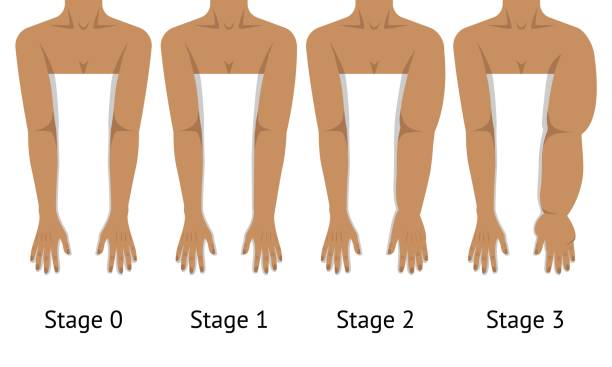
Lymphedema is a chronic condition characterized by swelling, usually in the arms or legs, due to impaired lymphatic drainage. It can significantly impact a patient’s mobility, comfort, and quality of life.
Physiotherapy plays a crucial role in managing lymphedema effectively through evidence-based techniques that reduce swelling, improve circulation, and prevent complications.
🔹 What is Lymphedema?
Lymphedema occurs when the lymphatic system is unable to drain lymph fluid properly, leading to fluid accumulation in tissues.
Types:
- Primary Lymphedema: Congenital or hereditary
- Secondary Lymphedema: Due to surgery, cancer treatment, infection, or trauma
🔹 Common Symptoms
- Persistent swelling in limb
- Heaviness or tightness
- Reduced range of motion
- Skin thickening (fibrosis)
- Recurrent infections
🔹 Why Physiotherapy is Essential
Physiotherapy is considered one of the most effective non-surgical treatments for lymphedema. It helps:
- Improve lymphatic drainage
- Reduce swelling and discomfort
- Prevent disease progression
- Enhance functional mobility
🔹 Key Physiotherapy Techniques for Lymphedema
1. Manual Lymphatic Drainage (MLD)
A gentle, specialized massage technique that stimulates lymph flow and redirects fluid to healthy lymph nodes.
Benefits:
- Reduces swelling
- Relieves heaviness
- Improves circulation
2. Compression Therapy
Use of bandages or compression garments to maintain pressure and prevent fluid re-accumulation.
Includes:
- Multilayer compression bandaging
- Compression sleeves/stockings
3. Exercise Therapy
Specific exercises improve muscle pumping action, aiding lymphatic flow.
Examples:
- Range of motion exercises
- Light resistance training
- Breathing exercises
4. Skin Care Management
Proper skin hygiene is essential to prevent infections like cellulitis.
Tips:
- Keep skin clean and moisturized
- Avoid cuts and injuries
- Monitor for redness or infection
🔹 Complete Decongestive Therapy (CDT)
The gold standard treatment combining:
- MLD
- Compression
- Exercise
- Skin care
This comprehensive approach provides the best long-term results.
🔹 When to Refer to a Specialist
Patients should be referred to a specialist (such as an endocrinologist or physician) if:
- Swelling is rapidly increasing
- Associated with hormonal imbalance
- There are systemic symptoms (fatigue, weight changes)
- No improvement with standard physiotherapy
🔹 Can Lymphedema Be Cured?
Lymphedema cannot be completely cured, but it can be effectively managed with proper physiotherapy and lifestyle modifications.
Early intervention leads to better outcomes.
🔹 Practical Home Tips for Patients
- Elevate the affected limb
- Stay physically active
- Avoid tight clothing
- Maintain healthy weight
- Follow physiotherapy regularly
🔹 Conclusion
Lymphedema management requires a structured and consistent approach. Physiotherapy, especially techniques like MLD and compression therapy, plays a central role in reducing symptoms and improving quality of life.
With proper care and guidance, patients can lead a comfortable and active life.
🔹Struggling with swelling or lymphedema?
Get expert physiotherapy guidance and personalized treatment plans.
📞 Call Now: +91-9784850112
🏥 Tan Mann Physiotherapy Clinic, Jagatpura, Jaipur