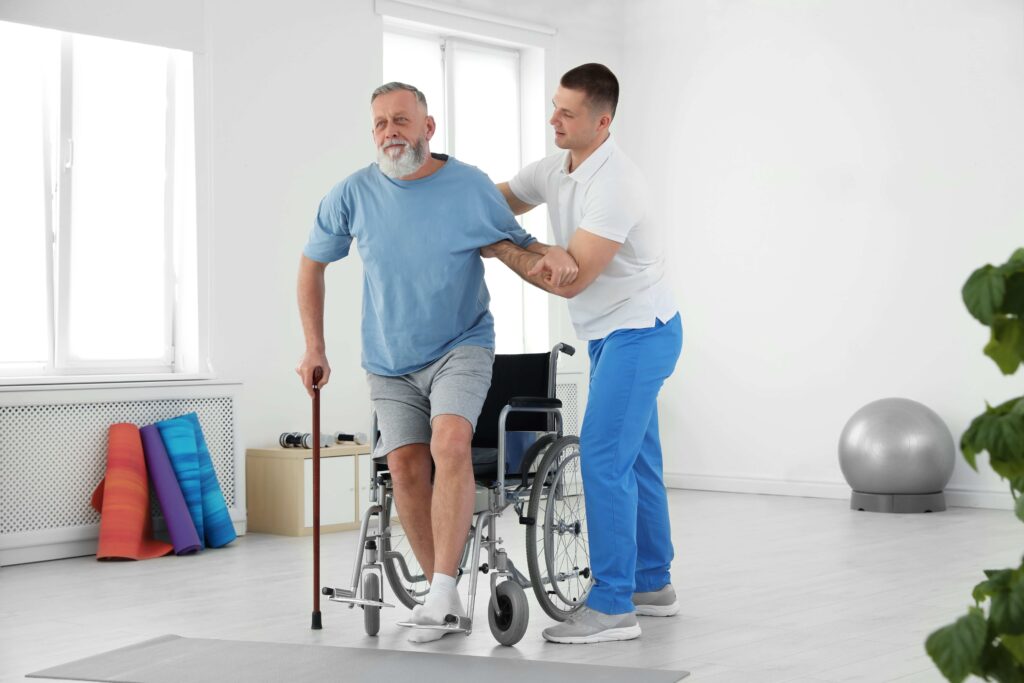
Paralysis is a common complication following a stroke, often resulting from conditions like hypertension. It can significantly impact movement, coordination, and independence in daily life.
However, recovery is possible. With structured rehabilitation and consistent effort, many patients regain functional abilities. Physiotherapy plays a central role in this recovery process by promoting movement, preventing complications, and improving quality of life.
What Happens in Paralysis After Stroke?
A stroke occurs when blood supply to a part of the brain is disrupted, leading to damage in areas responsible for movement and coordination.
This can result in:
- Weakness on one side of the body (hemiplegia)
- Reduced muscle control
- Altered muscle tone (flaccidity or stiffness)
- Impaired balance
- Difficulty in walking and performing daily tasks
The severity of these symptoms depends on the location and extent of brain injury.
Role of Physiotherapy in Recovery
🔹 Restoring Movement (Motor Recovery)
Physiotherapy focuses on activating weak muscles and retraining movement patterns. Repetitive, guided exercises help improve joint mobility and stimulate the brain to relearn lost functions.
🔹 Gait Training (Walking Rehabilitation)
Walking is often affected after stroke. Physiotherapists use structured techniques to improve weight shifting, coordination, and walking patterns, reducing the risk of falls.
🔹 Balance and Coordination Training
Balance exercises help patients regain stability while sitting, standing, and walking. This reduces dependency and improves confidence during movement.
🔹 Functional Independence (ADL Training)
Rehabilitation includes training for daily activities such as dressing, eating, and transfers. The goal is to restore independence as much as possible.
🔹 Spasticity Management
Physiotherapy helps manage muscle stiffness through stretching, positioning, and movement techniques, preventing long-term complications like contractures.
Neuroplasticity – The Science Behind Recovery
Neuroplasticity refers to the brain’s ability to reorganize and form new neural connections. After a stroke, undamaged areas of the brain can adapt to take over lost functions.
This process is enhanced through:
- Repetitive task practice
- Functional training
- Consistent physiotherapy
Early and continuous rehabilitation significantly improves neuroplastic changes.
Timeline of Recovery
Recovery timelines vary, but general patterns include:
- 0–3 months: Rapid improvement phase
- 3–6 months: Gradual functional recovery
- Beyond 6 months: Slower progress, but continued gains possible
Consistency in therapy is more important than speed of recovery.
Factors Affecting Recovery
Several factors influence recovery outcomes:
- Severity and location of stroke
- Age and overall health condition
- Time of starting physiotherapy
- Level of patient participation
- Support from family and caregivers
Common Mistakes to Avoid
- Delaying physiotherapy after stroke
- Depending only on medication
- Not following home exercise programs
- Lack of consistency in rehabilitation
- Ignoring balance and fall prevention
Conclusion
Paralysis after stroke can significantly affect an individual’s life, but recovery is achievable with the right approach. Physiotherapy provides structured rehabilitation that helps restore movement, improve independence, and enhance overall quality of life.
Early intervention, consistent effort, and a well-guided rehabilitation plan are key to achieving better outcomes.
When to Seek Professional Help
If you notice persistent weakness, difficulty in walking, or challenges in daily activities after a stroke, it is advisable to seek professional rehabilitation support.
A physiotherapist can assess the condition and guide appropriate exercises and recovery strategies based on individual needs.
👉 Call Now to Discuss Your Condition:
📱 +91-9784850112